
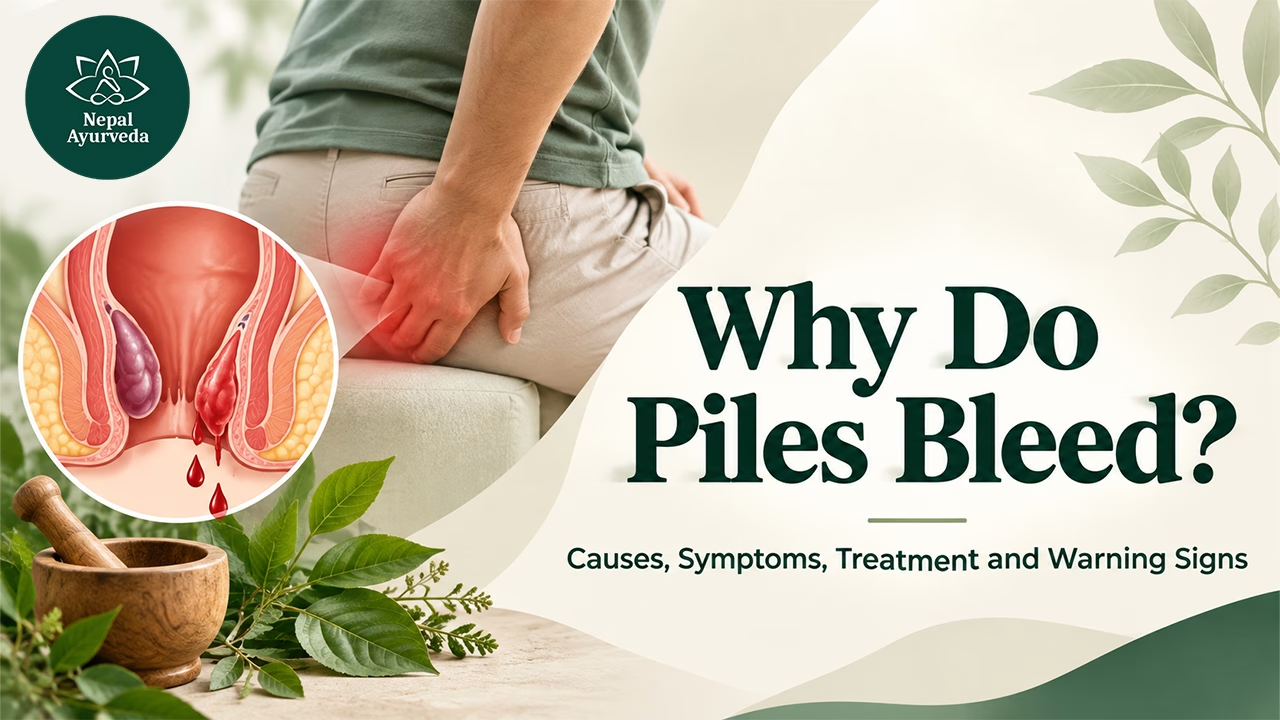
Noticing blood on toilet paper or in the toilet after passing stool can be worrying. One possible cause is piles, also called hemorrhoids. Although bleeding from hemorrhoids is common, the important question is why it happens and whether the blood is actually coming from piles.
Piles bleed when enlarged hemorrhoidal tissue and its blood vessels become irritated or damaged, often during bowel movements. Hard stool, repeated straining and increased pressure around the anus can contribute to the problem. Internal piles are especially associated with bright-red bleeding, sometimes without pain.
However, not every episode of rectal bleeding is caused by piles. Anal fissures, bowel inflammation, polyps and other medical conditions can produce similar symptoms. New, unexplained or recurring bleeding should therefore be assessed by a healthcare professional.
This blog explains why piles bleed, the warning signs to recognize, ways to reduce irritation and the treatment options a doctor may recommend.
What Happens When Piles Bleed?
Piles, medically known as hemorrhoids, involve enlarged or symptomatic hemorrhoidal tissue in the anus or lower rectum.
The anal canal naturally contains cushions of tissue with blood vessels. These cushions help support normal bowel control. When they become enlarged, swollen or displaced, they may cause symptoms such as itching, discomfort, prolapse and bleeding.
Hemorrhoidal cushions have a rich blood supply. When their surface becomes irritated or injured during a bowel movement, small blood vessels can bleed.
For example, someone experiencing constipation may strain to pass a hard stool. The combination of pressure and friction can irritate enlarged internal hemorrhoids, causing bright-red blood to appear on the surface of the stool or toilet paper.
Because the bleeding source is near the anal opening, the blood often appears fresh and red rather than dark.
According to the US National Institute of Diabetes and Digestive and Kidney Diseases (NIDDK), internal hemorrhoids commonly cause bright-red bleeding during or after bowel movements.
Bleeding alone cannot confirm a hemorrhoid diagnosis, however.
For a broader overview, read our guide to piles symptoms, causes, grades and treatment options.
Main Reasons Piles Start Bleeding
There is not always one identifiable cause of hemorrhoidal bleeding. Several factors can contribute to the development or irritation of piles.
1. Constipation and hard stool
Constipation is a common contributor to hemorrhoid symptoms.
When stool becomes hard or difficult to pass, additional effort may be required during bowel movements. The stool can also irritate enlarged hemorrhoidal tissue as it passes through the anal canal.
Someone with constipation may notice bleeding after a particularly difficult bowel movement.
Addressing constipation is important because repeatedly passing hard stool may continue to aggravate hemorrhoids.
2. Excessive straining during bowel movements
Straining increases pressure in the lower rectal and anal region.
Repeated pressure may contribute to swelling and displacement of hemorrhoidal tissue. When that tissue becomes irritated, bleeding may occur.
People sometimes continue pushing even when stool is not ready to pass. This can worsen pressure without making the bowel movement easier.
Avoiding unnecessary straining is therefore an important part of hemorrhoid care.
3. Sitting on the toilet for too long
Remaining seated on the toilet for prolonged periods can contribute to hemorrhoid symptoms.
Reading or using a mobile phone may unintentionally extend toilet time. This can increase pressure on the hemorrhoidal cushions, especially if someone also strains.
A useful habit is to finish the bowel movement without unnecessary delay and leave the toilet rather than remaining seated.
4. Chronic diarrhea and frequent bowel movements
Constipation is not the only bowel problem associated with hemorrhoids.
Chronic diarrhea and frequent bowel movements can contribute to irritation around the anus. Repeated wiping may further irritate the surrounding skin.
If diarrhea is persistent, especially when accompanied by blood, mucus, abdominal pain or fever, medical evaluation is important. Such symptoms may have causes other than hemorrhoids.
5. Pregnancy
Hemorrhoids can develop or become more symptomatic during pregnancy.
Pregnancy increases pressure in the pelvic region, while hormonal changes and constipation can also contribute.
Some pregnant individuals notice swelling, itching or bright-red bleeding after passing stool.
However, bleeding should not automatically be assumed to be piles during pregnancy. A clinician should assess new or unexplained symptoms, and any medicine or herbal treatment should be checked for pregnancy safety.
6. Aging and changes in supporting tissue
The tissues supporting hemorrhoidal cushions can weaken with age.
This can contribute to enlargement or prolapse and may make hemorrhoids more likely to become symptomatic.
Aging alone does not mean bleeding is inevitable. Persistent bleeding in older adults also makes appropriate investigation particularly important because other bowel conditions become more relevant.
7. Repeated heavy lifting
Frequent heavy lifting is another recognized factor associated with hemorrhoids.
Activities that involve repeated straining can increase abdominal and pelvic pressure. For someone who already has symptomatic hemorrhoids, this may contribute to discomfort or worsening symptoms.
The goal is not necessarily to avoid all physical activity. Regular movement remains beneficial for bowel health, while repeated excessive straining should be avoided where possible.
Do Internal and External Piles Bleed Differently?
Yes. The location of hemorrhoidal tissue affects the symptoms a person is likely to experience.
Internal piles
Internal hemorrhoids develop inside the anal canal.
They are particularly associated with bright-red bleeding during bowel movements. Uncomplicated internal piles often bleed without significant pain because the tissue in which they develop is less sensitive to pain.
Some internal hemorrhoids also prolapse, meaning they protrude through the anal opening during straining.
External piles
External hemorrhoids develop beneath the skin around the anus.
They more commonly cause swelling, itching, tenderness and discomfort. An external hemorrhoid can also develop a blood clot, known as thrombosis, causing a suddenly painful lump.
External hemorrhoids may bleed if their surface becomes irritated or the skin breaks, but bleeding is more characteristic of internal piles.
Read our detailed comparison of internal vs external piles to understand these differences.
Importantly, both types can exist together, and symptoms alone cannot always identify which tissue is responsible.
What Does Blood From Piles Usually Look Like?
Bleeding associated with internal hemorrhoids is typically bright red and may appear:
- On toilet paper after wiping.
- As red streaks on the outside of stool.
- As drops of blood in the toilet after passing stool.
- Occasionally alongside symptoms such as itching or prolapse.
The color can provide a clue about where bleeding is occurring, but it is not a reliable diagnosis.
Bright-red blood
Bright-red blood can come from hemorrhoids, but it can also occur with an anal fissure or another lower gastrointestinal condition.
Dark-red blood or blood mixed into stool
Blood that appears dark red, is mixed with stool or occurs with bloody diarrhea requires medical attention.
Black or tar-like stool
Black, tarry stool can indicate bleeding higher in the digestive tract and needs urgent assessment, although certain medicines and foods can also darken stool.
The NHS guide to rectal bleeding explains the importance of evaluating bleeding according to the appearance of blood and any accompanying symptoms.
Do not use blood color alone to decide whether the cause is harmless.
Is Bleeding From Piles Dangerous?
A small amount of bleeding from a confirmed hemorrhoid may settle when irritation is reduced and bowel habits improve.
However, repeated, substantial or unexplained rectal bleeding should not be ignored.
Persistent hemorrhoidal bleeding can sometimes contribute to iron-deficiency anemia. More importantly, bleeding attributed to piles may actually have another medical cause.
When to seek emergency medical care
Seek emergency care immediately if:
- Rectal bleeding is heavy or does not stop.
- You pass large blood clots or the toilet contains a substantial amount of blood.
- You feel faint, severely dizzy, confused or extremely weak.
- Bleeding is accompanied by signs of shock, such as cold clammy skin or rapid heartbeat.
Black, tar-like stool or dark-red bloody stool also needs urgent medical assessment.
Severe anal pain together with rectal bleeding, particularly when accompanied by abdominal pain, fever or diarrhea, requires prompt medical attention.
When to arrange a medical examination
Arrange a medical assessment if bleeding is new, unexplained, recurring or continues despite simple bowel-habit measures.
An appointment is especially important when bleeding occurs with a persistent change in bowel habits, unexplained weight loss, unusual tiredness, abdominal symptoms or a family history of colorectal cancer.
If you already have diagnosed hemorrhoids but the bleeding pattern changes, do not automatically assume the same condition is responsible.
Could the Bleeding Be Something Other Than Piles?
Yes. Several conditions can cause rectal bleeding.
Anal fissure
An anal fissure is a small tear in the lining of the anus.
It can cause bright-red bleeding, often with sharp pain during or after a bowel movement.
Painful bleeding after passing hard stool may suggest a fissure, but an examination is needed to confirm the cause.
Inflammatory bowel disease
Conditions such as ulcerative colitis and Crohn’s disease can cause gastrointestinal bleeding.
Other possible symptoms include diarrhea, abdominal pain, mucus in the stool and changes in bowel habits.
Bowel polyps and colorectal cancer
Some bowel polyps and colorectal cancers can cause rectal bleeding.
Bleeding does not necessarily mean cancer, but its presence should not be dismissed without appropriate assessment.
A healthcare professional may recommend further investigation based on the patient’s symptoms, age, history, examination findings and relevant risk factors.
Other gastrointestinal conditions
Infections, colitis, diverticular disease and other disorders can also cause bleeding.
The American Society of Colon and Rectal Surgeons’ 2024 hemorrhoid guideline emphasizes that rectal bleeding should not automatically be attributed to hemorrhoids.
What Should You Do When Piles Bleed?
If bleeding is heavy or accompanied by emergency warning signs, seek medical care immediately rather than attempting home treatment.
For mild symptoms while arranging appropriate assessment, reducing constipation and unnecessary irritation may help.
Eat more fiber-rich foods
Fiber helps make stool softer and easier to pass.
Useful dietary sources include vegetables, fruit, lentils, beans and whole grains. Foods commonly eaten in Nepal, such as dal, vegetables and whole-grain preparations, can contribute dietary fiber.
Increase fiber gradually to help limit bloating or discomfort.
A healthcare professional may also recommend a suitable fiber supplement when diet alone is insufficient.
Drink appropriate amounts of water
Adequate fluid intake helps dietary fiber work effectively.
Fluid requirements differ depending on climate, activity, health conditions and medical advice. People who have been instructed to restrict fluids should follow their clinician’s recommendations.
Avoid straining
Do not force a bowel movement through prolonged pushing.
Try to respond when you naturally feel the urge to pass stool and avoid remaining seated on the toilet unnecessarily.
Use gentle hygiene
Clean the anal area gently after bowel movements.
Avoid aggressive rubbing, harsh soaps or irritating products. Gently washing with water and patting the area dry may reduce local irritation.
Consider a warm sitz bath for discomfort
Sitting in comfortably warm, plain water may help ease anal discomfort for some people.
Evidence for the effectiveness of sitz baths in treating hemorrhoid symptoms is limited. They should be considered supportive comfort care, not a proven way to stop significant bleeding.
Be cautious with creams and home remedies
Some nonprescription hemorrhoid preparations may provide short-term relief from itching or discomfort. Their effectiveness varies, and they do not establish the cause of bleeding.
Avoid prolonged self-medication or applying unknown substances to the anal area.
Do not stop prescribed blood-thinning medicines without speaking to the prescribing clinician.
If bleeding continues or returns, arrange an examination rather than repeatedly treating presumed hemorrhoids at home.
How Do Doctors Diagnose Bleeding Piles?
A diagnosis usually starts with questions about symptoms and medical history.
The healthcare professional may ask about:
- When bleeding began and how frequently it occurs.
- Whether the blood appears on toilet paper, on stool or mixed with stool.
- Constipation, diarrhea, straining and bowel habits.
- Pain, itching, swelling or tissue protruding from the anus.
- Current medicines, including blood thinners.
- Previous hemorrhoid treatment and personal or family medical history.
A physical examination may include inspection of the anal area and a digital rectal examination.
An anoscopy may be used to inspect the inside of the anal canal and lower rectum.
Depending on the findings, a clinician may recommend other investigations, such as a blood count, flexible sigmoidoscopy or colonoscopy.
Not everyone with hemorrhoid symptoms needs a colonoscopy, but some people with rectal bleeding do require examination of the colon.
The objective is to confirm the bleeding source before selecting treatment.
See the NIDDK guide to hemorrhoid diagnosis for an explanation of commonly used examinations.
Treatment Options for Bleeding Piles
Treatment depends on the diagnosis, hemorrhoid type, symptoms, severity and overall health.
Dietary and bowel-habit management
For many people with mild symptomatic hemorrhoids, increasing fiber, maintaining appropriate hydration and avoiding straining are the first steps.
These measures help reduce repeated irritation and may improve symptoms without a procedure.
However, persistent bleeding still requires appropriate evaluation.
Medicines and supportive treatments
Clinicians may recommend suitable stool-softening treatments, fiber supplements or short-term medicines for discomfort.
Some topical preparations may relieve itching or inflammation. Their role is usually symptom management rather than definitive treatment of persistent hemorrhoidal bleeding.
Rubber-band ligation
Rubber-band ligation is commonly used for selected internal hemorrhoids.
During this procedure, a clinician places a small band around the hemorrhoidal tissue to interrupt its blood supply, allowing the treated tissue to shrink.
This procedure must be performed by a trained healthcare professional.
Sclerotherapy and other office procedures
Sclerotherapy uses an injected solution to encourage scarring and shrinkage of selected internal hemorrhoids.
Infrared coagulation and other office-based procedures may also be appropriate in certain cases.
Selection depends on clinical findings, expected benefits, possible complications and patient circumstances.
Surgery
Surgery may be considered when hemorrhoids are large, significantly prolapsed, repeatedly symptomatic or unsuitable for less invasive treatments.
Different surgical approaches have different risks, recovery requirements and recurrence considerations.
A clinician should explain the options before a patient makes a treatment decision.
Can Ayurveda Help Manage Bleeding Piles?
In Ayurveda, hemorrhoidal disease is traditionally discussed under the concept of Arsha.
Ayurvedic management may include dietary guidance, bowel-habit support, individualized medicines and selected procedures within traditional Ayurvedic surgical practice.
At Ayurveda Nepal, the published piles-care information describes clinical assessment and potential treatment approaches that include Kshara Karma and Kshara Sutra for selected patients.
Kshara Karma
Kshara Karma is a traditional procedure involving a controlled application of an alkaline preparation to selected tissue.
It is not an ordinary home remedy and requires appropriate clinical assessment, professional training and follow-up.
Kshara Sutra
Kshara Sutra is a traditional para-surgical method involving a specially prepared medicated thread.
Its suitability depends on the exact anorectal condition and the treating clinician’s assessment.
What does the evidence say?
Traditional use and scientific evidence are different considerations.
Some small clinical studies have evaluated Kshara-based approaches for hemorrhoids, but the evidence is limited and does not establish that these procedures are safer, more effective or appropriate for all patients compared with established medical options.
Herbal and Ayurvedic medicines can also have adverse effects, interact with other treatments or present contamination risks.
The US National Center for Complementary and Integrative Health notes safety concerns with some Ayurvedic preparations, including potential exposure to toxic metals.
For this reason, Ayurvedic treatment should not replace appropriate investigation of rectal bleeding.
People considering Ayurvedic care should discuss their diagnosis, current medicines, expected benefits, possible risks, available evidence and alternatives with a qualified clinician.
How Can You Reduce the Chance of Recurrent Bleeding?
There is no single way to guarantee that hemorrhoids will never bleed again.
However, improving bowel habits can reduce several factors associated with symptomatic hemorrhoids.
Helpful long-term measures include maintaining a fiber-rich diet, drinking appropriate amounts of fluid, staying physically active and avoiding repeated straining.
Try to develop a regular bowel routine without forcing bowel movements or sitting unnecessarily on the toilet.
If constipation or diarrhea is persistent, seek assessment so that the underlying bowel problem can be addressed.
People with frequent hemorrhoid symptoms should also discuss whether their condition requires further treatment.
Remember that hemorrhoid grades describe how much internal tissue prolapses, not simply how much bleeding occurs. Even a non-prolapsing internal hemorrhoid can bleed.
For more detail, see our guide to grades 1, 2, 3 and 4 hemorrhoids.
When Should You Seek Medical Care in Nepal?
If you notice rectal bleeding for the first time or have repeated episodes, arrange an appropriate medical assessment.
In Nepal, patients can consult a qualified general physician, gastroenterologist or surgeon, depending on their symptoms and available services.
If bleeding is heavy, continuous or accompanied by fainting, severe weakness or other emergency symptoms, seek the nearest suitable emergency department rather than booking a routine consultation.
For non-emergency concerns, a clinician can help determine whether bleeding is caused by hemorrhoids, an anal fissure or another condition.
Ayurveda Nepal provides information about Ayurvedic piles treatment in Kathmandu and offers a doctor consultation service.
The appropriate next step is an assessment that clarifies the diagnosis and identifies whether conservative management, a procedure, further investigation or specialist referral is needed.
Frequently Asked Questions
Can piles bleed without pain?
Yes. Uncomplicated internal hemorrhoids frequently cause painless bright-red bleeding during bowel movements. Nevertheless, painless rectal bleeding can have other causes, so it should not be assumed to be hemorrhoidal without assessment.
Why do piles bleed every time I pass stool?
Repeated bleeding may be associated with continued irritation, hard stools, straining or symptomatic internal hemorrhoids. Because repeated rectal bleeding can have other causes, it is important to arrange a medical examination rather than simply continuing home remedies.
Can piles bleed even if I am not constipated?
Yes. Hemorrhoidal bleeding can occur without constipation. Other contributing factors can include chronic diarrhea, prolonged toilet sitting, prolapse or irritation. A clinician should confirm the source of bleeding.
Does bleeding mean I have advanced piles?
Not necessarily. Internal hemorrhoids can bleed even when they do not prolapse. Hemorrhoid grades mainly describe the extent of tissue prolapse, not the amount of blood lost. Bleeding severity and other symptoms still matter when deciding what evaluation is needed.
Can bleeding piles cause anemia?
Persistent or frequent hemorrhoidal bleeding can sometimes contribute to anemia. However, anemia should not automatically be attributed to piles. A medical evaluation is needed to investigate the cause and determine appropriate treatment.
Conclusion
Piles can bleed because enlarged hemorrhoidal tissue contains blood vessels that may become irritated or damaged during bowel movements. Constipation, straining, hard stool and other bowel-habit factors can contribute.
Internal piles commonly cause bright-red bleeding without much pain, while external piles more often cause swelling and discomfort.
Although mild hemorrhoidal symptoms may improve with better bowel habits, new, recurring or unexplained rectal bleeding should be medically assessed. The appearance of blood alone cannot establish the diagnosis.
Understanding the cause is the first step toward choosing safe and appropriate treatment.
If you are in Kathmandu and would like to learn about available assessment and care options for suspected hemorrhoids, explore Ayurveda Nepal’s piles treatment service.
This article provides general educational information and is not a substitute for professional diagnosis or individualized medical treatment.